
Copenhagen is the capital of Denmark, a walkable, a city that mixes historic charm with modern Scandinavian design. Highlights include visits to Nyhavn and Tivoli Gardens, as well as The Little Mermaid and some castles and other sites of cultural interest. Visit from late spring to early autumn for the best weather, although winter appeals more to those looking for a quieter, cosy atmosphere. The city makes sense for travelers who appreciate design, food and slow, pedestrian exploration. In this guide, we cover what to do in Copenhagen, from iconic landmarks and vibrant neighborhoods to cultural spots, along with the best times to visit.
20 Cool Things to Do in Copenhagen
1. The Little Mermaid Statue
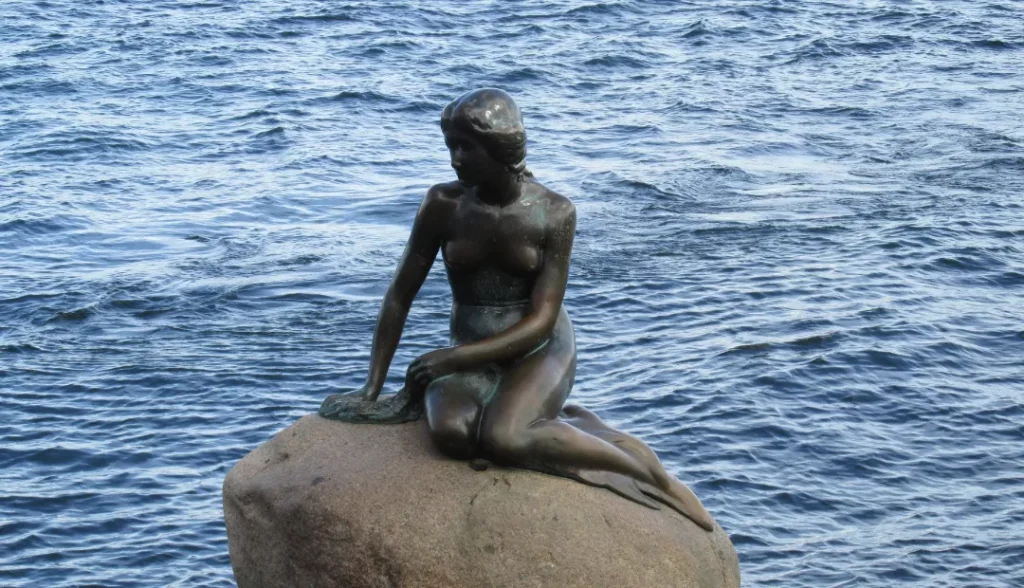
The Little Mermaid is tiny but iconic, having sat silently along the harbour since 1913. It’s free to visit and best experienced early in the morning before the crowds fill in. And though it doesn’t take long to notice, it dives deep into Copenhagen’s literary roots.
2. Tivoli Gardens
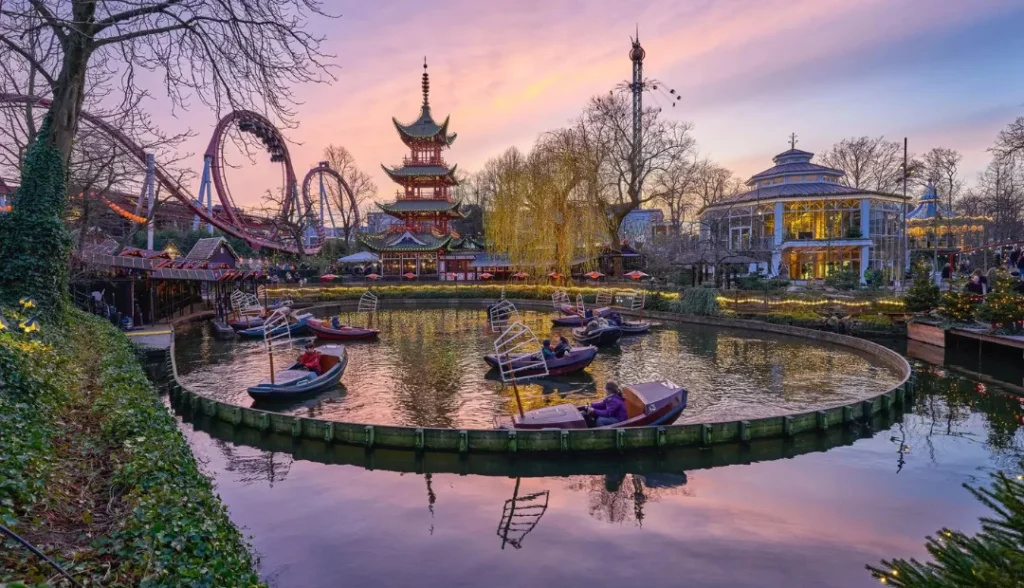
Known as one of the world’s oldest amusement parks, founded in 1843. It’s in the city centre and mixes rides, gardens and performances. Its ambiance changes over the course of a day, and it comes alive in evenings and during seasonal festivities.
3. Nyhavn Harbour
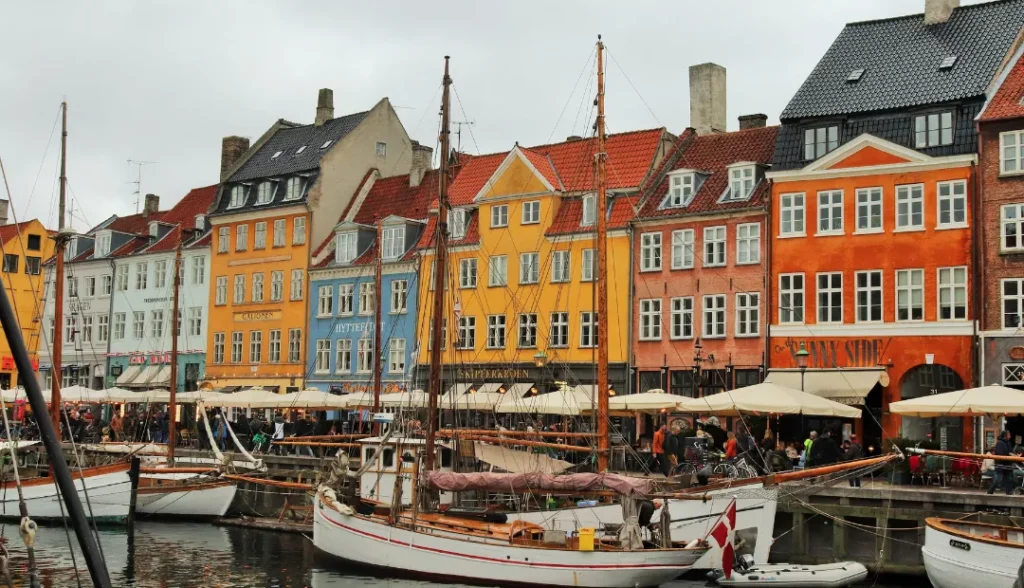
Nyhavn is celebrated for its colourful 17th-century architecture and canal-side location. It is among the liveliest sections of the city, abound with restaurants and cafes, and many canal tours begin from there.
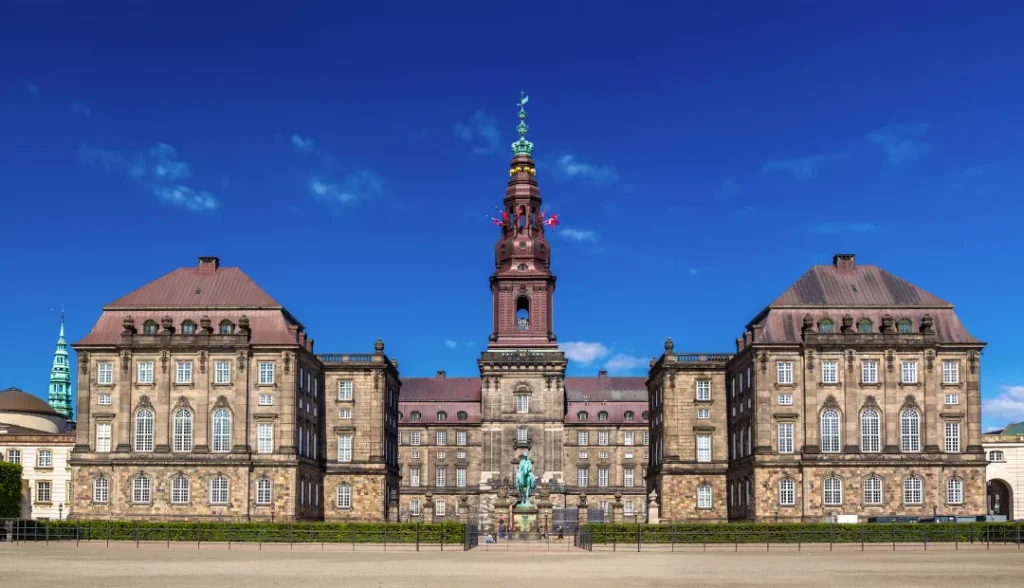
4. Christiansborg Palace
Christiansborg Palace is the seat of the Danish parliament and one of Denmark’s most important buildings. Its tower is open to visitors and provides a panoramic vista over the city, so it is both a political symbol and visual landmark.
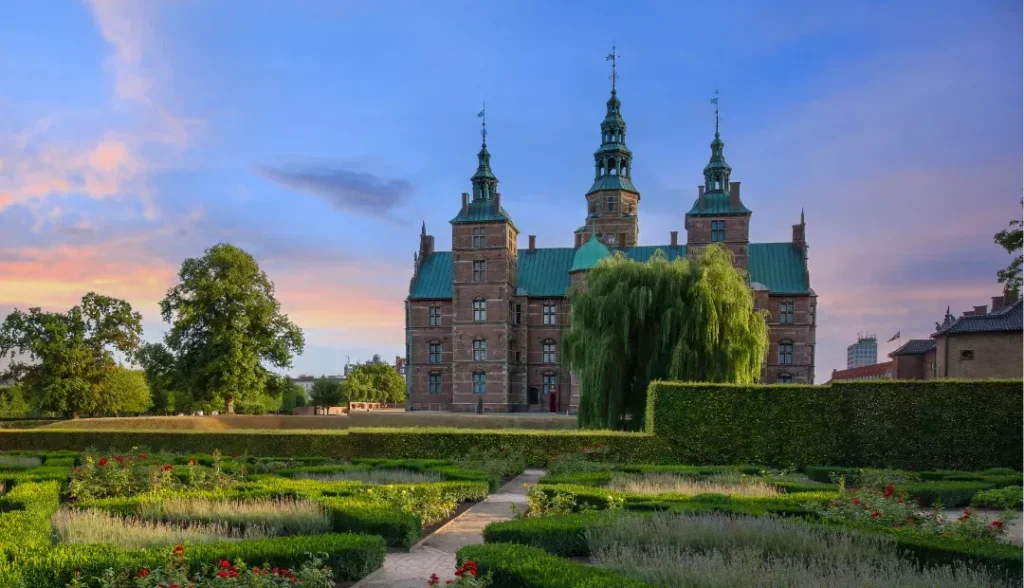
5. Rosenborg Castle
The Castle dates back to the 17th century and is home to the Danish Crown Jewels. The interiors retain royal history in fine detail, while the gardens that surround it offer a quieter area to explore.
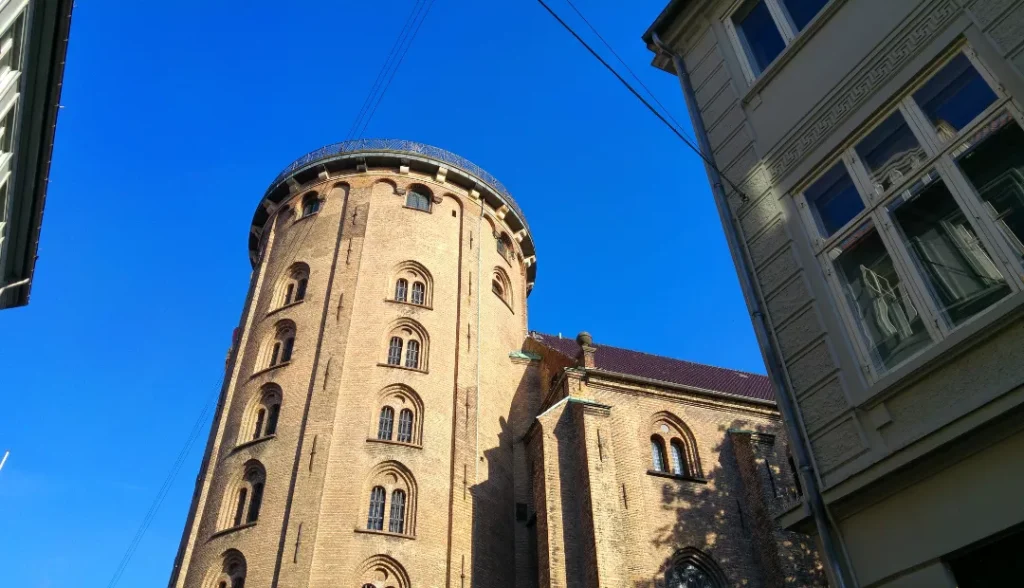
6. The Round Tower (Rundetarn)
One of its highlights is the Round Tower, an astronomical tower built in the 17th century that replaces stairs with a spiral ramp. The ascent is gradual, and the vantage from above provides a clear picture of how to get around town.
7. Nørrebro
Nørrebro reflects Copenhagen’s multicultural side. It is known for street art, independent boutiques and a vibrant cafe culture that comes across as local rather than tourist-centric.
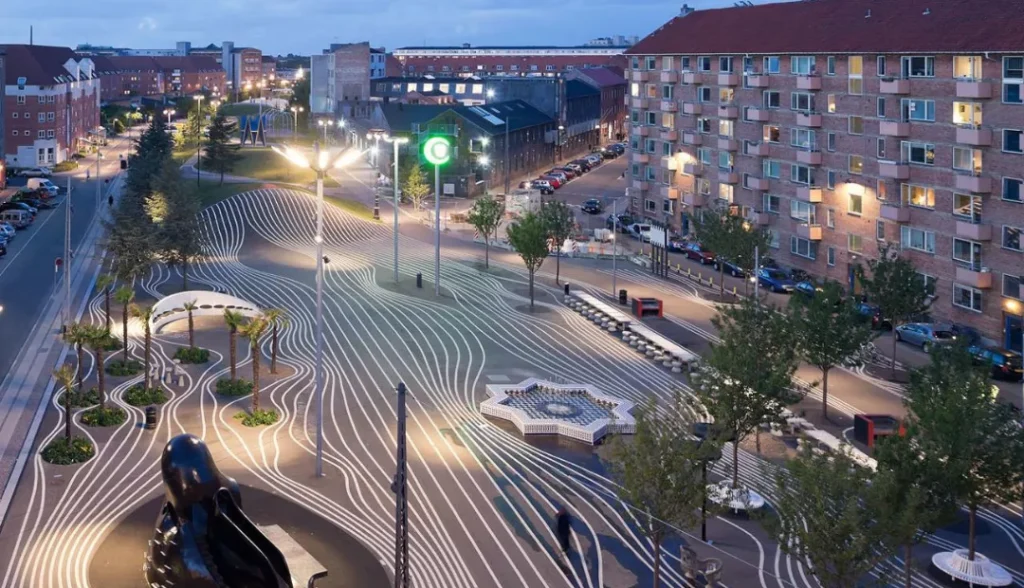
8. Vesterbro
This place evolved from an industrial no-go zone to one of the trendiest neighborhoods in town. The Meatpacking District here has a particular reputation for nightlife, design spaces and contemporary dining.
9. Frederiksberg
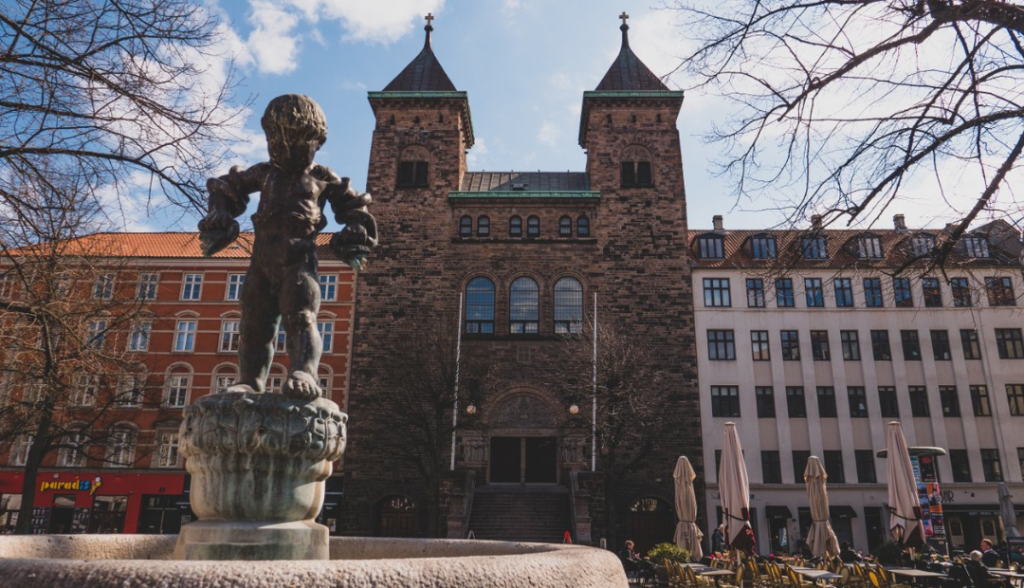
Frederiksberg has a more laid-back and upscale vibe. Best known for its green spaces, including Frederiksberg Gardens and nearby attractions such as Copenhagen Zoo.
10. Christiania
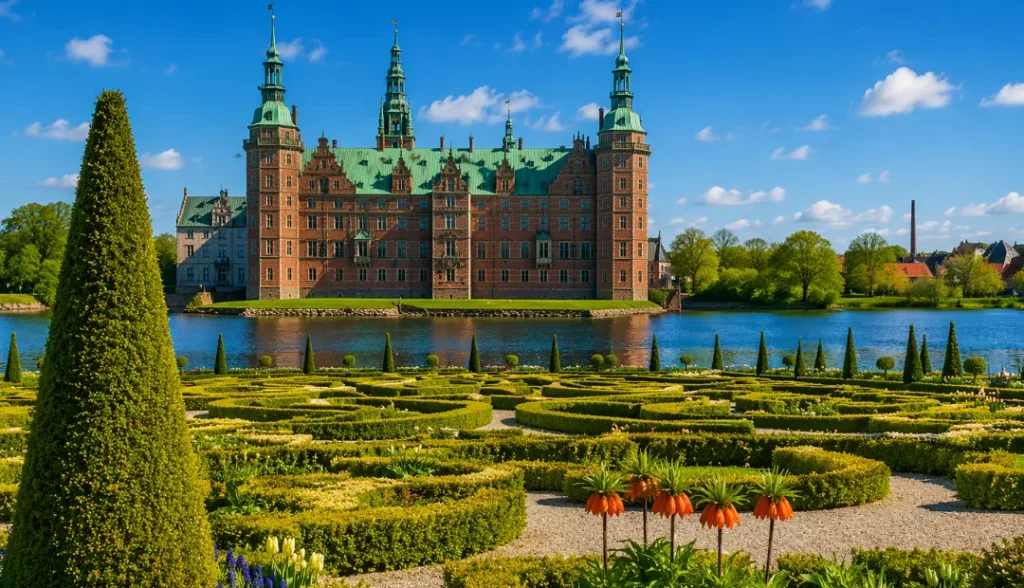
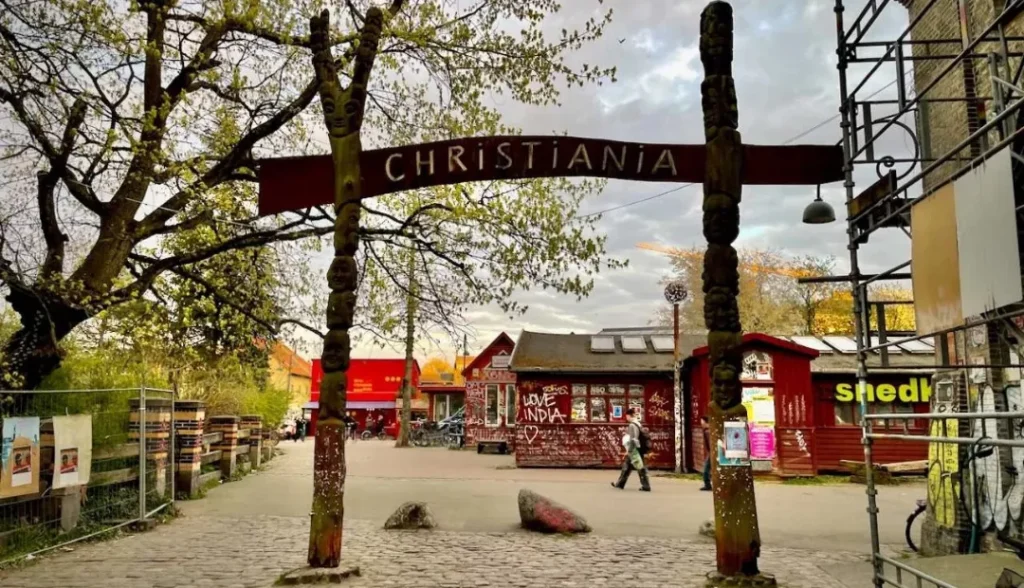
Freetown Christiania is one of self-proclaimed “free towns,” founded in 1971. With its autonomous culture and artistic scene, it’s one of the most offbeat places to see in the city.
11. Østerbro
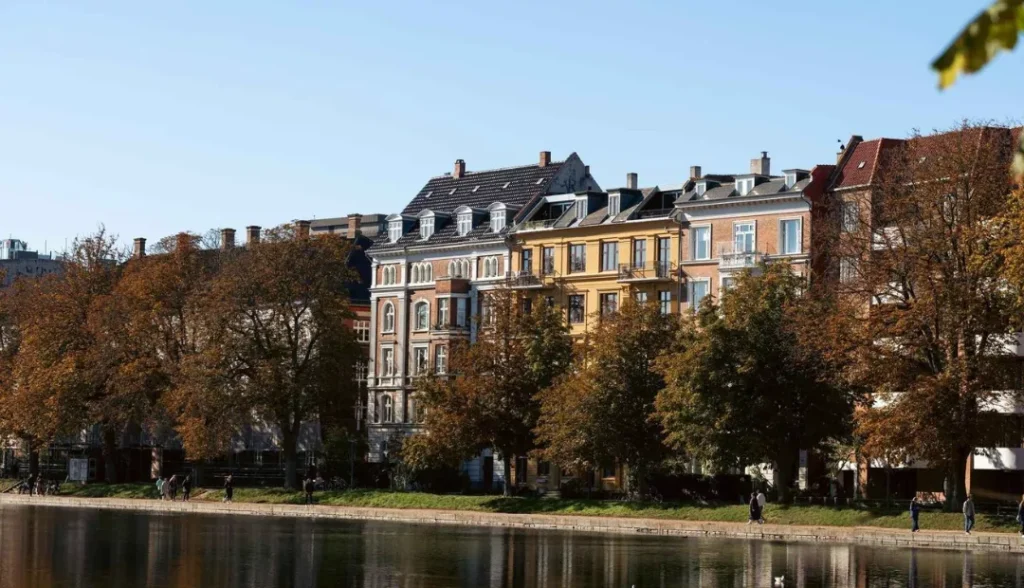
Østerbro is a quieter enclave known for its slow-moving life. The lakes, called Søerne, are popular with walkers and cyclists.
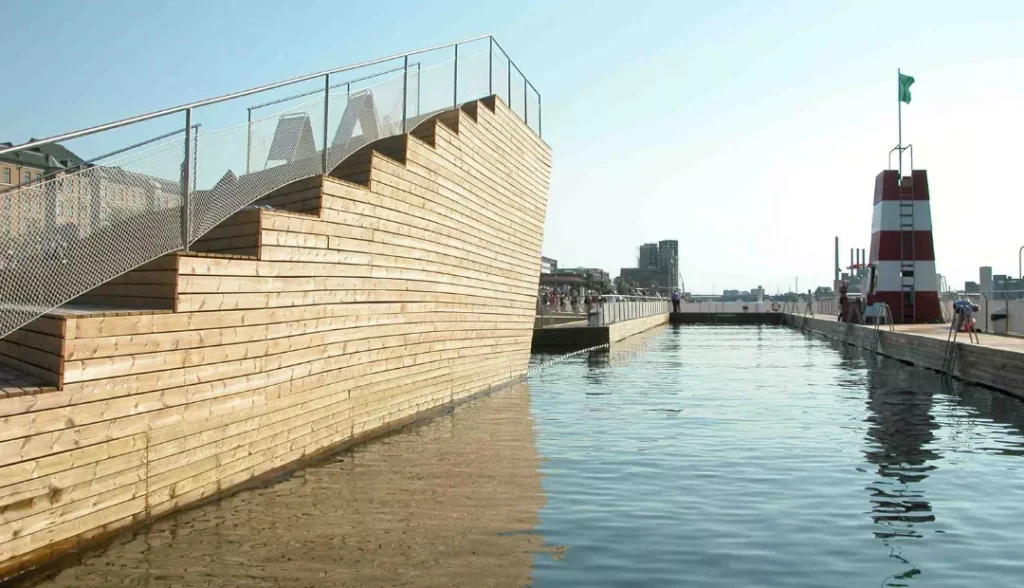
12. Harbour Baths (Havnebadet)
In summer, visitors can swim in the clean waters of Copenhagen Harbour Baths. These outdoor pools, open to the elements and free of cost, represent the city’s orientation toward quality of life.
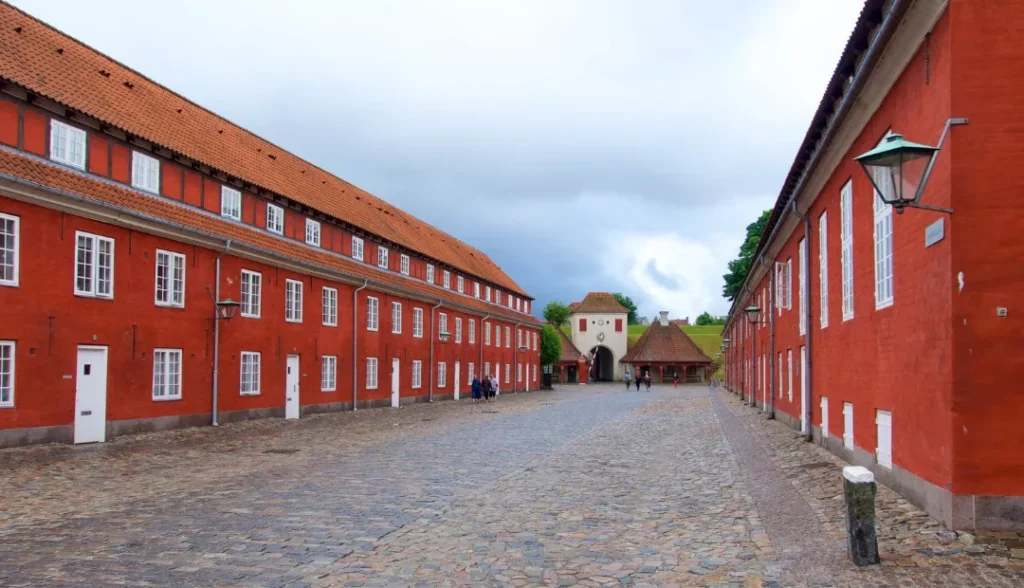
13. Kastellet Fortress
Kastellet is a 17th-century star-shaped citadel surrounded by a moat. It serves as a historic site and a serene public park.
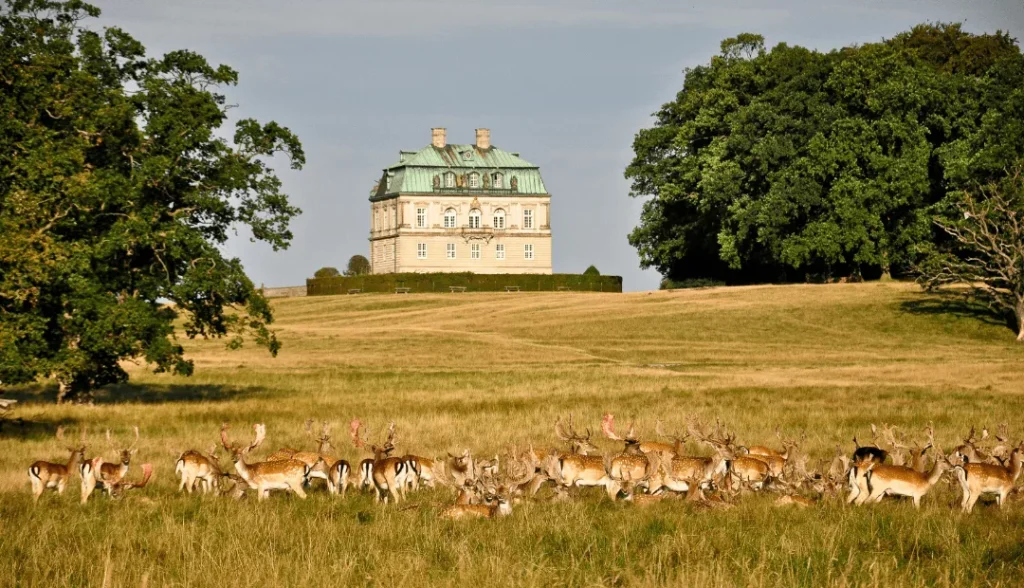
14. Dyrehaven (Deer Park)
It’s a park just north of the city, where thousands of deer roam free. It is a UNESCO-listed natural area and provides an entirely different feel to the urban core.
15. Amager Strandpark
Amager Strandpark, a long artificial beach, is popular in summer. It’s used for swimming, lounging and other activities such as kite-surfing.

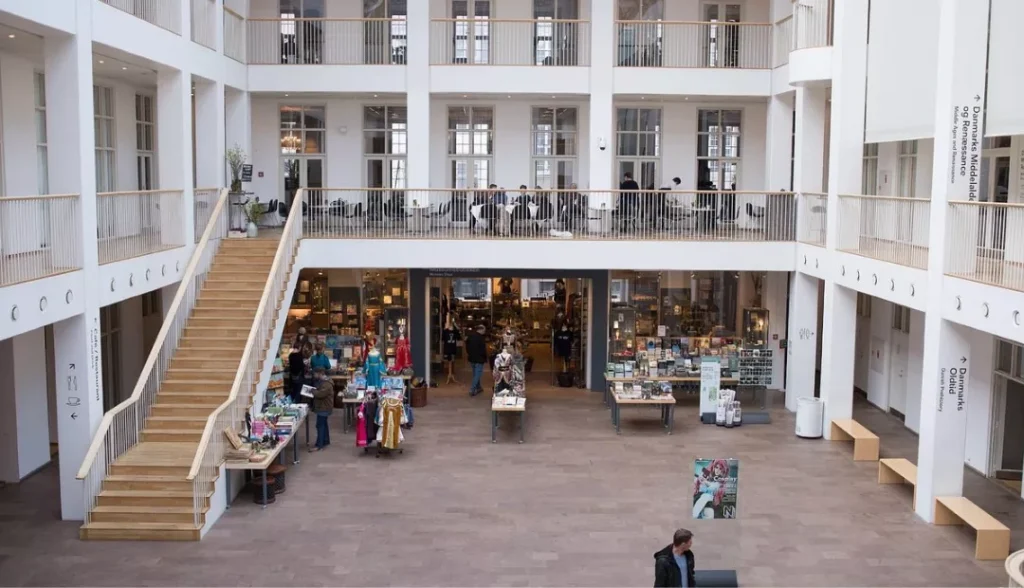
16. National Museum of Denmark
The National Museum of Denmark traces more than 14,000 years of Danish history and offers free entry, making it one of the most accessible cultural stops in town.
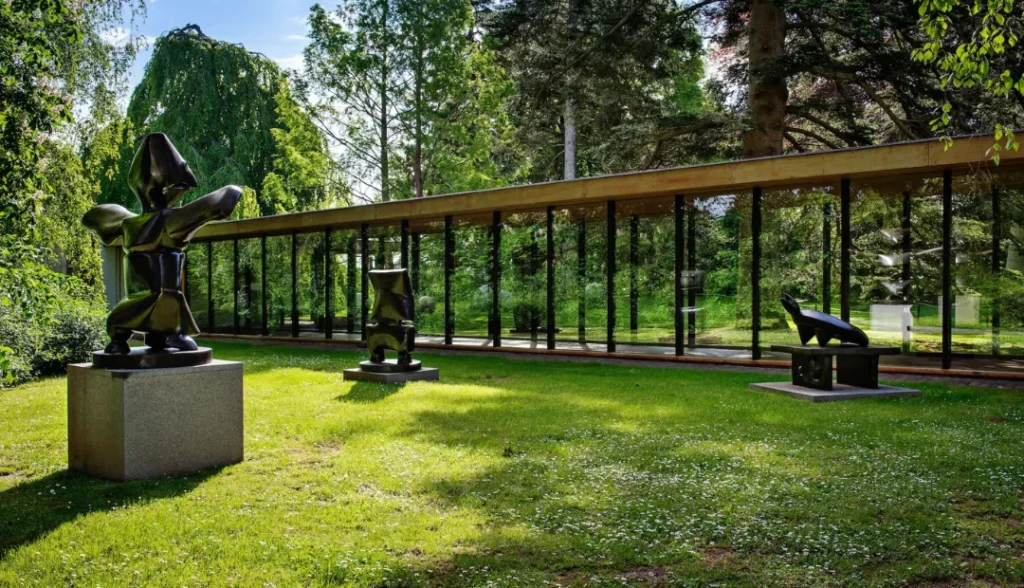
17. Louisiana Museum of Modern Art
The Louisiana Museum of Modern Art, about 35 km north of the city, is one of Europe’s best-known museums for modern art and makes a case for art meeting architecture along with coastal views.
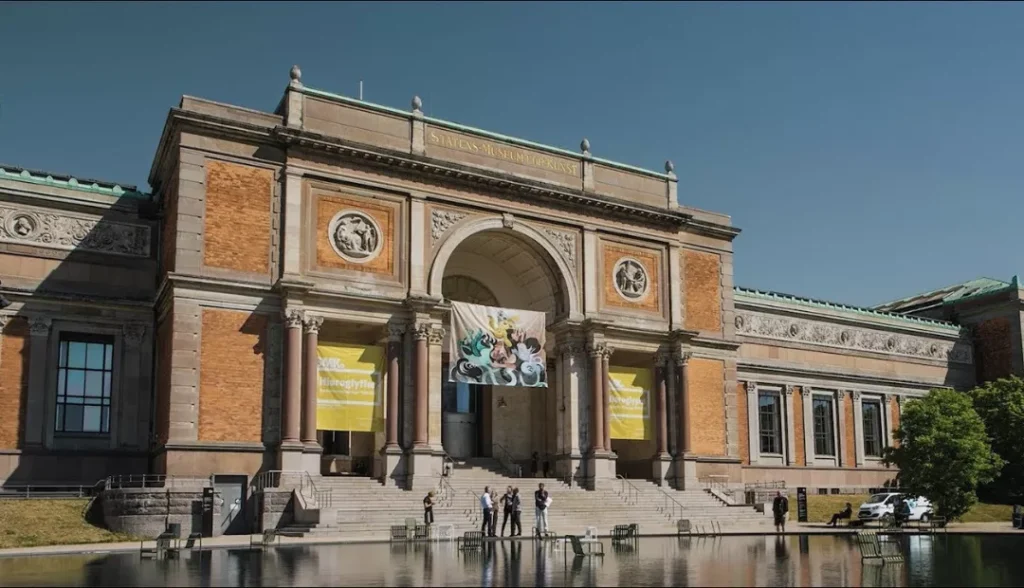
18. SMK (Statens Museum for Kunst)
SMK — Statens Museum for Kunst — is Denmark’s national gallery. Its permanent collection is free on Tuesdays, and includes both classical and modern works.
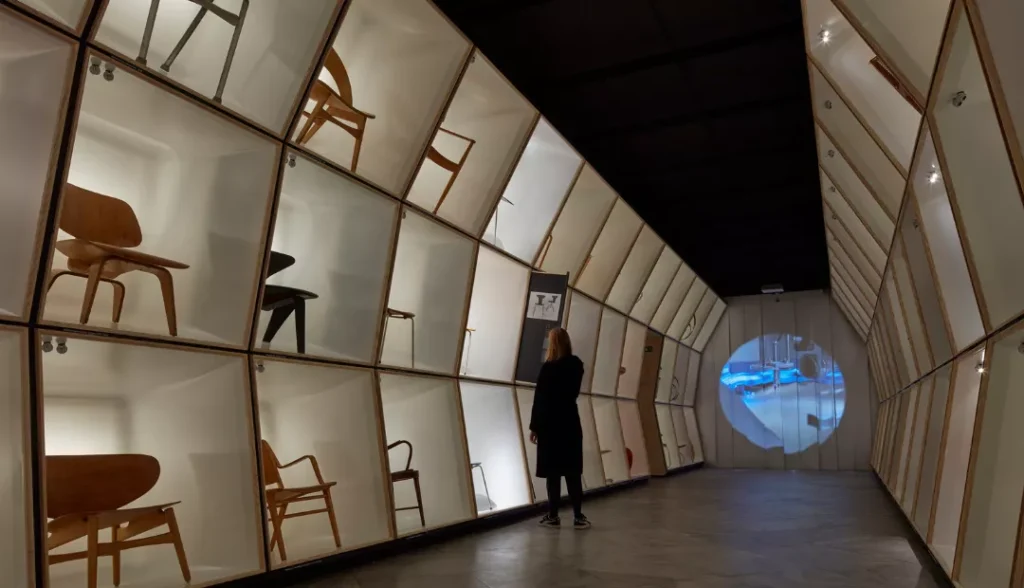
19. Designmuseum Danmark
It displays Danish and international design, a reminder of the country’s worldwide reach in architecture and design.
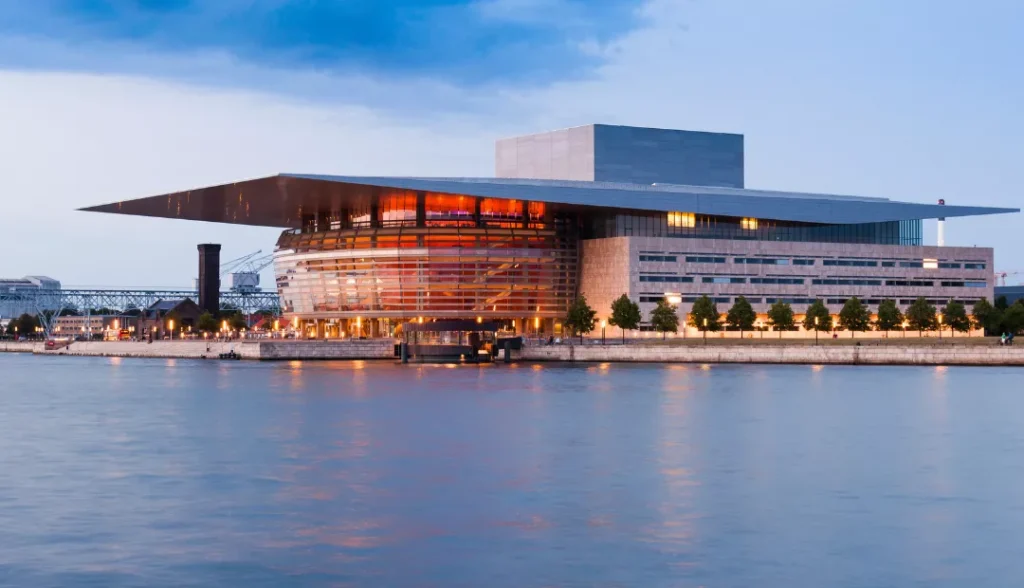
20. Copenhagen Opera House
The contemporary Copenhagen Opera House is located at the waterfront. Visitors can watch performances or join guided tours of the building.
Best Time to Visit
That depends on what you’re looking for. Summer, between June and August, offers long daylight hours, mild temperatures (air temperature is around 20°C), and a busy atmosphere throughout the city; however, it also brings higher prices.
If you would like a less crowded experience with milder weather, spring or early autumn are the best times to visit Copenhagen.
Winter is colder and darker, but it brings a quieter charm, shaped by hygge culture and seasonal markets.
FAQs:
Three days is sufficient time to visit the highlights, spend at least one day exploring a specific neighborhood and add a mini day trip.
Copenhagen regularly ranks among the most livable cities in the world, and with that comes a powerful combination of food, design, cycling culture, history, and sustainability
Modern food culture, strong cycling infrastructure, a walkable capital, the colorful Nyhavn harbor, and royal palaces.
Conclusion and Take Action
Copenhagen is unique in its ease of melding history, design and daily livability. Whether you’re exploring tourist sites such as Nyhavn or Tivoli Gardens, or venturing out to its neighborhoods and food culture, the city provides a well-rounded travel experience. If you’re going to visit, go for a combination of the main attractions and slower exploration, that’s where Copenhagen really shines.
Keep exploring: