
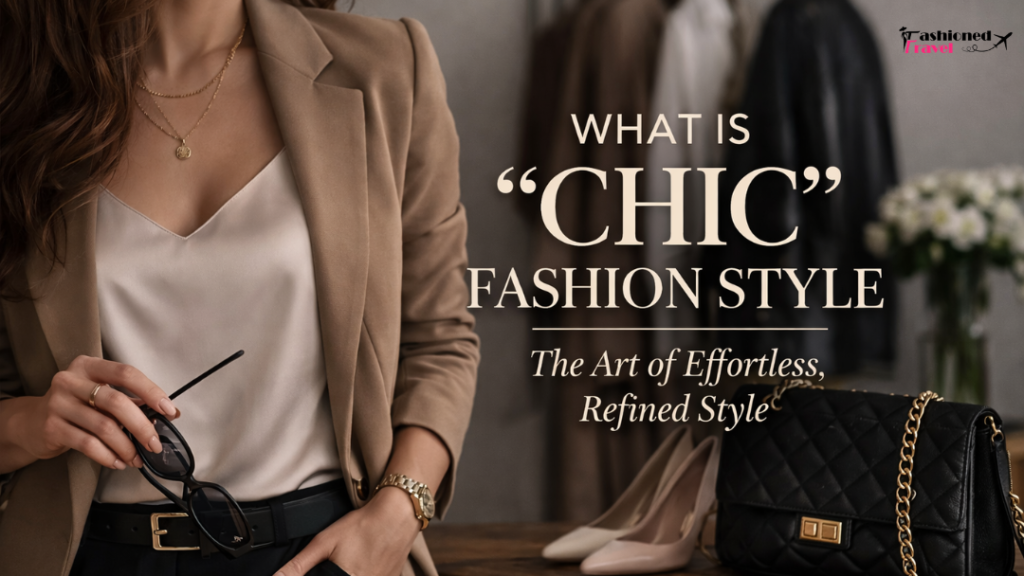
“Chic” is one of those fashion terms that seems so obvious at first it can be hard to explain if pressed. On a surface level, it just means stylish or elegant, it’s borrowed straight from French where it references refined taste and polished looks. But that generic definition doesn’t capture what sets chic fashion style apart from being merely fashionable or expensive-looking.
Chic is about effortless refinement. It achieves maximum visual impact with minimum visible effort. And that ratio is what separates this from everything else. A logo-heavy, styled-up fit could be high fashion. A high-end ensemble can be pricey. But neither is automatically chic. Chic is the moment when everything looks right without seeming forced. This guide explains what chic style means, including why it feels effortless and also exploring cultural variations.
Essence of Chic Style
It’s not like you need to be loud to impress someone, rather it’s deep, it suggests not declares. Nothing seems overdone and nothing seems to fight for attention. The effect causes a sort of visual quietness that stands out because it does not demand attention.
And that’s where it gets interesting. Chic isn’t just about aesthetics. It works because it resonates with something much deeper in how people think about confidence, competence and control.
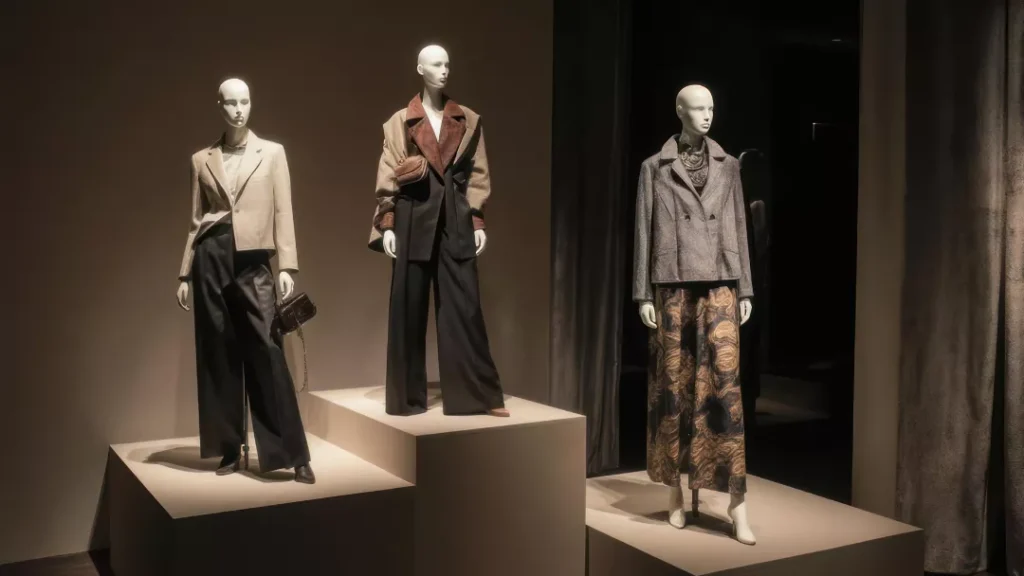
Why Your Brain Identifies It in Milliseconds
It’s a question one may ask how chic feels instantly familiar, less to do with trends and more to do with the way the brain works.
One helpful notion here is something called enclothed cognition, a term coined by Adam D. Galinsky and Hajo Adam. Their studies revealed that clothing does not only alter perceptions of the person wearing it, it influences individuals’ own behavior.
When someone wears something that feels like refinement and control, there’s a good chance her posture, tone and presence shift along with it. Chic style compounds this by eliminating visual noise so confidence becomes more visible.
Then there is the rapidity of first impressions. Humans form judgments of competency, warmth and status in less than a second. Chic tends to do well on the competence score, too; it indicates control and awareness.
Chic Is Not Universal
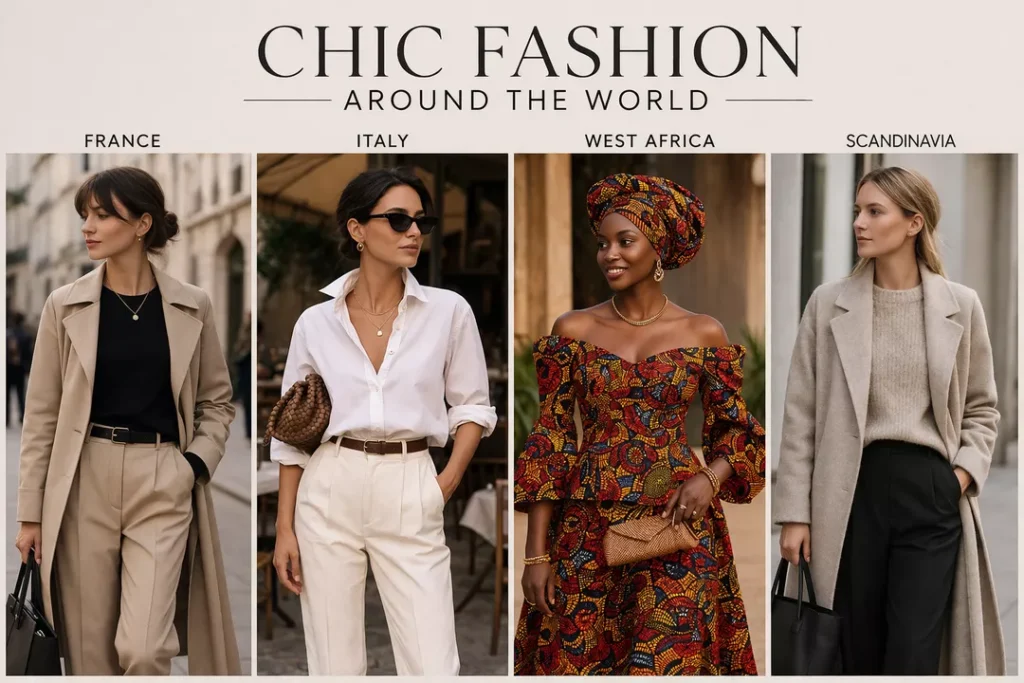
Chic is not a global look, it’s a common misconception. Chic is dictated by the culture, but the underlying principle remains the same: make an environment ideal for a natural look.
Chic in France is often synonymous with restraint. The universal concept of French chic is quality basics, neutral colors like beige, greige, taupe, white and the illusion that you’re not trying too hard.
In Italy, this evolution shifts into something called sprezzatura. In simple terms, controlled imperfection or effortlessness and natural at its finest. A shirt unbuttoned a button or two, a tie loosened, and sleeves rolled up can signal confidence, as they imply comfort in formality without rigidity.
In parts of West Africa, chic takes on an entirely different look. Bold prints, structured shapes, and expressive fabrics come together to create a style that could almost be described as Afro-chic.
In Scandinavia, minimalism does the work, clean lines, muted tones and high-quality materials impart a look that manages to be both practical and refined, without any obvious branding.
Can Chic Be Learned?
Yes anyone can learn Chic, but not as most people think.
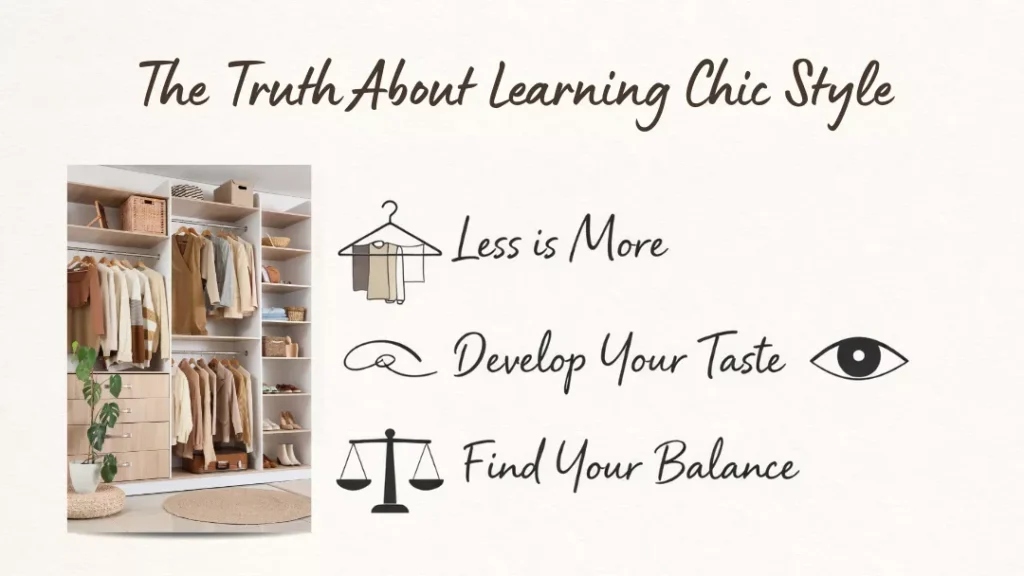
This isn’t about buying better clothes first. It’s more about teaching yourself how to cut down what I have in the wardrobe. Need better understanding of less is more, and keep in mind stylish results don’t come from an egging on of more outfits. Taste is something that develops over time through exposure.
Your judgment sharpens when you look at well-designed clothing, understand proportions and experiment with your own style. You begin to see what is balanced for you and how much things can tip into excess.
Change your attitude to, ‘What do I need more of?’ and begin asking, ‘What can I take away?’ That one switch gets you closer to chic than any trend ever can.
FAQs About Chic Fashion
An outfit that looks relaxed but not sloppy, for instance mixing sneakers with a denim jacket or arranging denim in a precise, tidy manner.
Shabby chic embraces a vintage, lightly worn aesthetic that still feels elegant. It mixes soft fabrics, faded textures and romantic details to achieve a look that feels relaxed and nostalgic.
In French, “chic” merely means stylish, elegant and refined. It suggests a sort of good taste that seems effortless, and not artificial, the term carries more weight than simply ‘fashionable.’
Eco chic is all about mixing style with sustainability. It incorporates responsibly sourced environmental materials and ethical manufacturing without jeopardizing long-term influence.
Fashion accessories that are typically considered “nerdy” and turn them into a bold style statement. Things like glasses, cardigans and structured basics are styled with enough intention to feel sharp, not just functional.
Boho chic combines bohemian freedom with contemporary sophistication. It retains the flowy shapes and organic materials of boho style.
The Bottom Line
Chic fashion is not about more clothes, nor following trends. It’s about editing, it’s as much about knowing what to exclude as it is about knowing what to include.
Simplicity strips everything away, leaving a look that feels natural, sharp and timeless. That’s what chic really is.
Also Read: